Commercial Plumbing Contractors
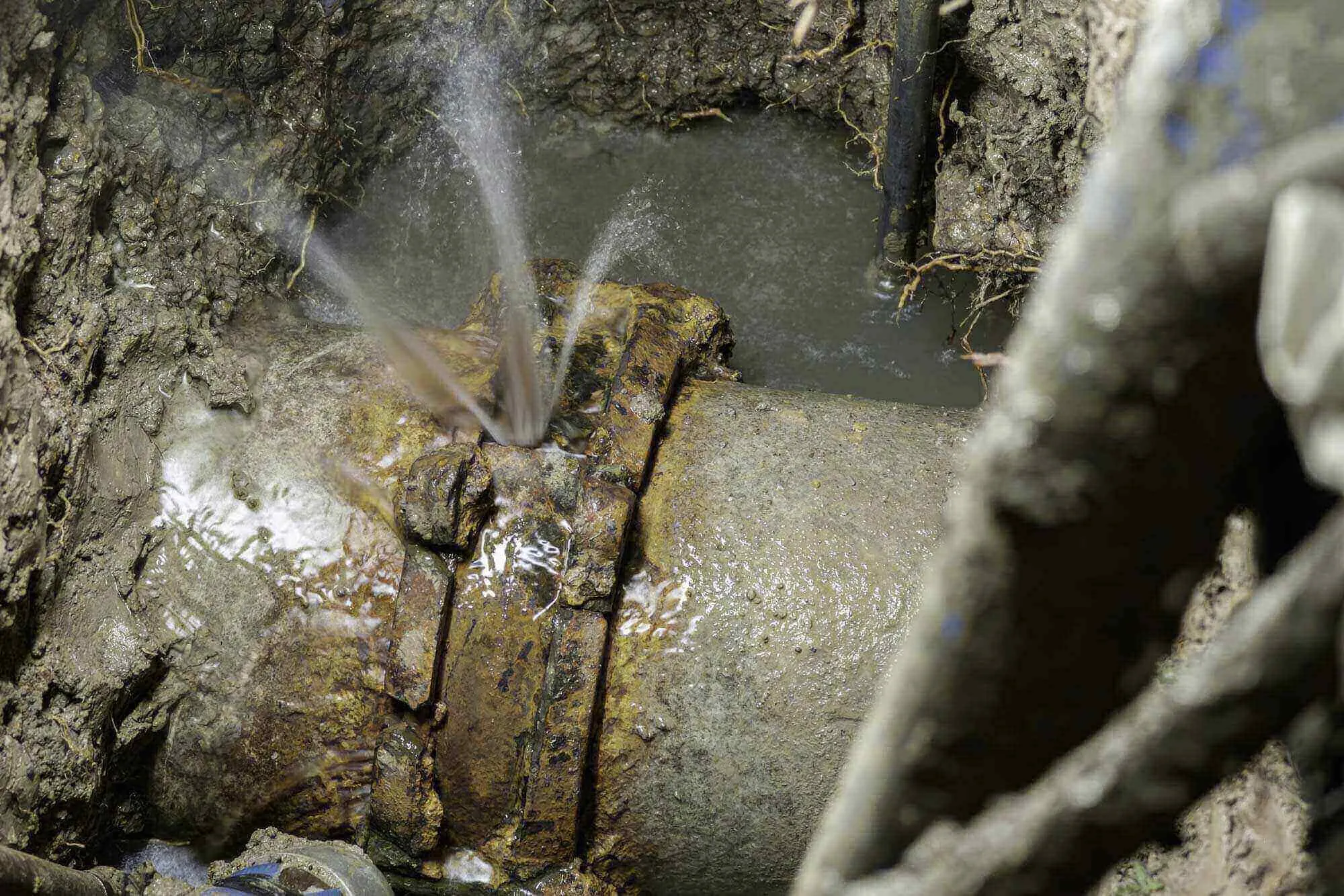
The meter says there is a leak. The ground says nothing, because pressurized water can travel a long way underground before it surfaces, and where it surfaces is not where it left the pipe.
Exploratory excavation is the expensive way to find out. It is also the version the client remembers, particularly if the first hole is dry.
What we run for you
Water main leak detection
Acoustic equipment and correlators locate the break so the excavation goes to one place and finds it.
Underground utility locating
Marks what else is in the ground along the run, so the repair dig does not create a second problem.
What you get
The leak located and marked on the surface, with the findings documented for the client or the property owner.
Acoustic location narrows the dig to one point before the ground opens. The finding is documented so the client sees why the hole went where it went.
Questions we hear from commercial plumbing contractors
How do you find a leak in a buried main?
Acoustically. Ground microphones and correlators read the sound a pressurized leak makes and narrow it to a point, so the excavation opens where the break is instead of where the water surfaced.
Why is the wet spot not over the leak?
Pressurized water follows the path of least resistance, along the pipe and through bedding and voids, and surfaces wherever the ground lets it. The distance between the two is why exploratory digging so often finds nothing.
Do you repair what you find?
No. We locate and document; the repair is yours. That split is deliberate: it means our finding is never shaped by wanting the dig.